
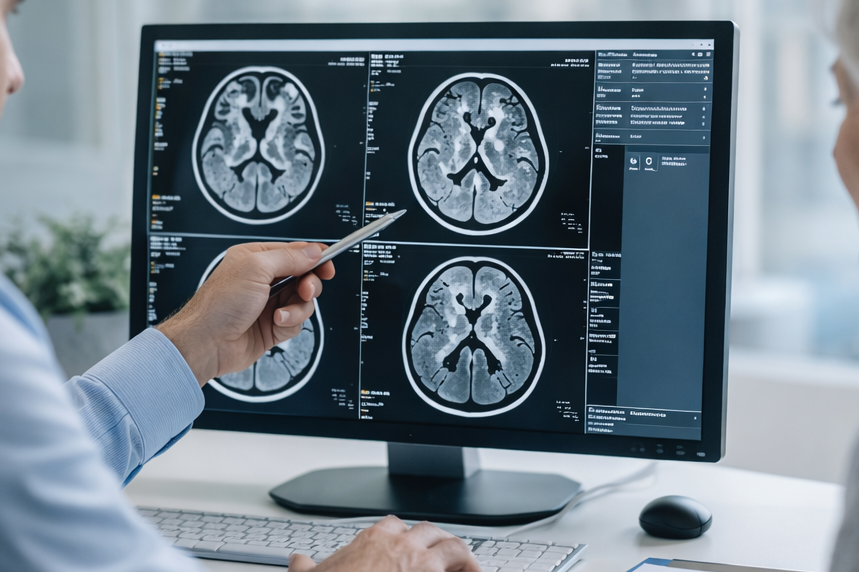
Neurophysiology Diagnostics
Accurate nerve and muscle diagnostics with clear reporting to support faster treatment decisions.
Neurophysiology Diagnostics
Intro paragraph
We provide independent neurophysiology diagnostics to support faster clinical decisions across NHS and private pathways. Our services include EMG/NCS and EEG investigations, delivered with clear reporting, secure data handling, and responsive turnaround.
What we help with
- Nerve and muscle symptoms (pain, weakness, numbness)
- Seizures, blackouts, and collapse episodes
- Suspected epilepsy or seizure classification
- Sleep-related events and nocturnal symptoms
- Ongoing symptom monitoring (ambulatory studies)
- Pre-treatment and pathway planning support
Intro paragraph
We provide independent neurophysiology diagnostics to support faster clinical decisions across NHS and private pathways. Our services include EMG/NCS and EEG investigations, delivered with clear reporting, secure data handling, and responsive turnaround.
What we help with
EMG & NCS testing is commonly used to investigate:
- Nerve and muscle symptoms (pain, weakness, numbness)
- Seizures, blackouts, and collapse episodes
- Suspected epilepsy or seizure classification
- Sleep-related events and nocturnal symptoms
- Ongoing symptom monitoring (ambulatory studies)
- Pre-treatment and pathway planning support
What to expect
Our neurophysiology tests are designed to be clear, efficient, and minimally disruptive. From arrival to reporting, we guide patients through each step with calm clinical support and secure results delivery.
- Clear explanation before testing begins
- Comfortable, calm clinical environment
- Most tests completed within 30–90 minutes
- Secure reporting delivered to referrers
- Fast turnaround to support treatment decisions
FAQs
Are the tests painful?
Most neurophysiology tests are not painful. Some tests may cause mild discomfort, such as brief electrical pulses during nerve conduction studies or slight pressure from sensors. If a needle EMG is required, you may feel a small scratch sensation, but this is usually well tolerated and the clinician will guide you throughout.
How long do tests take?
Test duration depends on the investigation being performed. Most appointments last between 30 and 90 minutes, although some specialist studies (such as ambulatory or video telemetry monitoring) may take longer.
How quickly are results available?
Results are reviewed and interpreted by an experienced neurophysiology clinician. A formal report is produced and delivered securely to the referring clinician, usually within a few working days, depending on the type of test and clinical urgency.
Do I need to prepare?
Preparation depends on the test. In general, patients are advised to wear comfortable clothing and avoid applying moisturiser or oils to the skin on the day of testing. If specific preparation is required (such as sleep deprivation for certain EEGs), this will be clearly explained in advance.
Can I drive after my appointment?
In most cases, yes, patients can drive as normal after neurophysiology testing. If your appointment includes a procedure that may affect driving (or if sedation is involved, which is uncommon), the clinical team will advise you beforehand.
What to expect
Our neurophysiology tests are designed to be clear, efficient, and minimally disruptive. From arrival to reporting, we guide patients through each step with calm clinical support and secure results delivery.
- Clear explanation before testing begins
- Comfortable, calm clinical environment
- Most tests completed within 30–90 minutes
- Secure reporting delivered to referrers
- Fast turnaround to support treatment decisions
FAQs
Are the tests painful?
Most neurophysiology tests are not painful. Some tests may cause mild discomfort, such as brief electrical pulses during nerve conduction studies or slight pressure from sensors. If a needle EMG is required, you may feel a small scratch sensation, but this is usually well tolerated and the clinician will guide you throughout.
How long do tests take?
Test duration depends on the investigation being performed. Most appointments last between 30 and 90 minutes, although some specialist studies (such as ambulatory or video telemetry monitoring) may take longer.
How quickly are results available?
Results are reviewed and interpreted by an experienced neurophysiology clinician. A formal report is produced and delivered securely to the referring clinician, usually within a few working days, depending on the type of test and clinical urgency.
Do I need to prepare?
Preparation depends on the test. In general, patients are advised to wear comfortable clothing and avoid applying moisturiser or oils to the skin on the day of testing. If specific preparation is required (such as sleep deprivation for certain EEGs), this will be clearly explained in advance.
Can I drive after my appointment?
In most cases, yes, patients can drive as normal after neurophysiology testing. If your appointment includes a procedure that may affect driving (or if sedation is involved, which is uncommon), the clinical team will advise you beforehand.