Video Telemetry EEG
Simultaneous brain activity and video monitoring to accurately capture and classify neurological events.
Video Telemetry EEG
What is Video Telemetry?
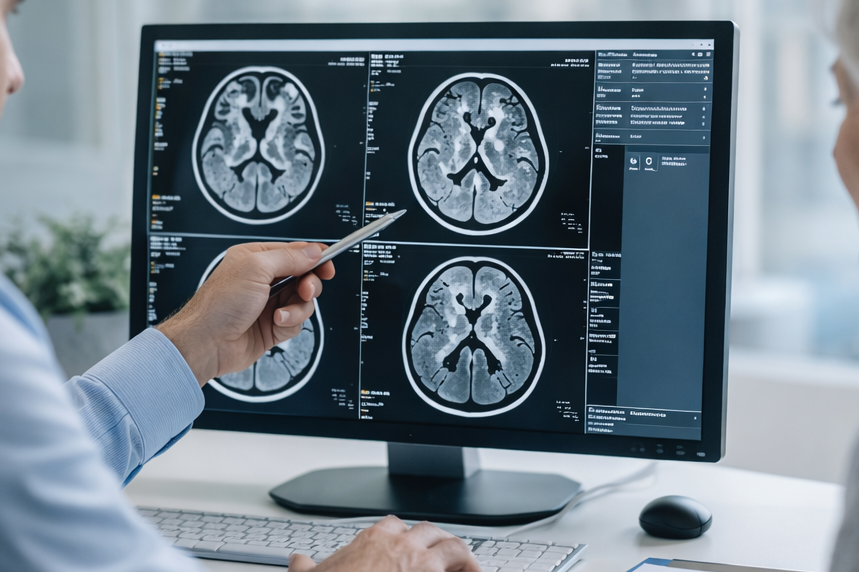
Video Telemetry is an advanced EEG investigation that records brain activity continuously while simultaneously capturing video footage.
This allows clinicians to correlate electrical brain activity with physical behaviour during suspected events. It is particularly valuable when assessing seizure disorders or distinguishing epileptic from non-epileptic episodes.
Monitoring may take place over an extended period to increase the likelihood of capturing typical events.
What is it used for?
Video Telemetry is commonly used to investigate:
- Infrequent or intermittent seizure-like episodes
- Suspected epilepsy not confirmed on routine EEG
- Unexplained blackouts or transient loss of awareness
- Nocturnal (night-time) events
- Monitoring response to anti-seizure medication
Combining video and EEG recording provides a more precise diagnostic picture.
What is Video Telemetry?
Video Telemetry is an advanced EEG investigation that records brain activity continuously while simultaneously capturing video footage.
This allows clinicians to correlate electrical brain activity with physical behaviour during suspected events. It is particularly valuable when assessing seizure disorders or distinguishing epileptic from non-epileptic episodes.
Monitoring may take place over an extended period to increase the likelihood of capturing typical events.
What is it used for?
Video Telemetry is commonly used to investigate:
- Suspected epilepsy
- Differentiating epileptic and non-epileptic events
- Unexplained seizures or seizure-like episodes
- Complex or atypical neurological events
- Pre-surgical epilepsy assessment
- Treatment-resistant seizure disorders
Combining video and EEG recording provides a more precise diagnostic picture.
What to expect on the day
Clear, calm, and efficient – from setup through to reporting.
01 Arrive & setup
We’ll confirm your clinical history and referral details. EEG electrodes are placed on the scalp and connected to monitoring equipment. Video recording is set up to capture movements and behaviours during the study. The clinician will explain the process and ensure you are comfortable before monitoring begins.
02 The Procedure
Brain activity and video are recorded continuously to capture typical events. Monitoring may last several hours or longer, depending on the clinical indication. You may be asked to follow specific instructions during the study to help trigger or observe events in a safe and controlled setting.
03 Results & Plan
The EEG and video recordings are reviewed together by an experienced neurophysiology clinician.
A detailed report is produced and sent securely to your referring clinician to support diagnosis, treatment planning, or specialist referral.
What to expect on the day
Clear, calm, and efficient – from setup through to reporting.
01 Arrive & setup
We’ll confirm your clinical history and referral details. EEG electrodes are placed on the scalp and connected to monitoring equipment. Video recording is set up to capture movements and behaviours during the study. The clinician will explain the process and ensure you are comfortable before monitoring begins.
02 The Procedure
Brain activity and video are recorded continuously to capture typical events. Monitoring may last several hours or longer, depending on the clinical indication. You may be asked to follow specific instructions during the study to help trigger or observe events in a safe and controlled setting.
03 Results & Plan
The EEG and video recordings are reviewed together by an experienced neurophysiology clinician.
A detailed report is produced and sent securely to your referring clinician to support diagnosis, treatment planning, or specialist referral.
How to prepare
To help ensure accurate results, please:
- Wash your hair before the appointment
- Do not apply hair products
- Bring comfortable clothing
- Bring a list of current medications
- Continue medications unless advised otherwise
You will receive specific instructions if extended monitoring or admission is required.
FAQs
Is the test painful?
No. The EEG electrodes sit on the scalp and do not deliver electrical current. The test is completely painless.
How long does video telemetry last?
The duration varies depending on clinical need. Monitoring may last several hours or extend over multiple days.
Will I need to stay in hospital?
Some video telemetry studies require supervised monitoring in a clinical setting, particularly if prolonged recording is needed. Your referring clinician will advise.
When will results be available?
Once the recordings are reviewed, a formal report is produced and sent securely to your referring clinician to guide next-step management.
How to prepare
To help ensure accurate results, please:
- Wash your hair before the appointment
- Do not apply hair products
- Bring comfortable clothing
- Bring a list of current medications
- Continue medications unless advised otherwise
You will receive specific instructions if extended monitoring or admission is required.
FAQs
Is the test painful?
No. The EEG electrodes sit on the scalp and do not deliver electrical current. The test is completely painless.
How long does video telemetry last?
The duration varies depending on clinical need. Monitoring may last several hours or extend over multiple days.
Will I need to stay in hospital?
Some video telemetry studies require supervised monitoring in a clinical setting, particularly if prolonged recording is needed. Your referring clinician will advise.
When will results be available?
Once the recordings are reviewed, a formal report is produced and sent securely to your referring clinician to guide next-step management.